First-Time Stone Countertop Buyer Guide
Your first granite kitchen is a big investment—don't get burned by rookie mistakes Cape Cod homeowners make every season.
Imagine sinking $3,250 into your dream first granite countertop, only to watch it crack under coastal humidity or fade from salty sea air because you skipped proper sealing[1][3]. Here in Cape Cod, Massachusetts, where salty winds whip through kitchens, bathrooms, and outdoor living spaces year-round, first-time stone countertop buyers face unique pitfalls: choosing porous Grade C granite that demands extra maintenance, underestimating quartz installation complexities for high-moisture bathroom vanity tops, or ignoring location-specific kitchen reno costs that spike with custom edges and sink cutouts[1][2]. These errors aren't just cosmetic—they erode your home's value and turn a Cape Cod stone buyer guide essential into a costly regret, especially when average installs hit $2,000-$4,000 for a standard kitchen but climb with our region's premium labor and transport[1][3].
Why does it matter? A smart choice boosts resale by 70% ROI on countertops while withstanding our harsh New England weather—think heat-resistant granite for summer barbecues or low-porosity quartz for foggy bathroom mornings[1][5]. This First-Time Stone Countertop Buyer Guide arms you with practical know-how: decode granite levels (from budget Level 1 at $40-$50/sq ft to premium Grade A at $75-$100+), navigate kitchen reno costs Massachusetts (labor alone $300-$500), spot quartz installation beginners traps, and get real Cape Cod examples like sealing schedules for outdoor islands[1][2][6]. You'll learn to select durable slabs, hire vetted installers, and avoid overpaying—saving thousands without sacrificing style.
Selecting Stone for Your First Project
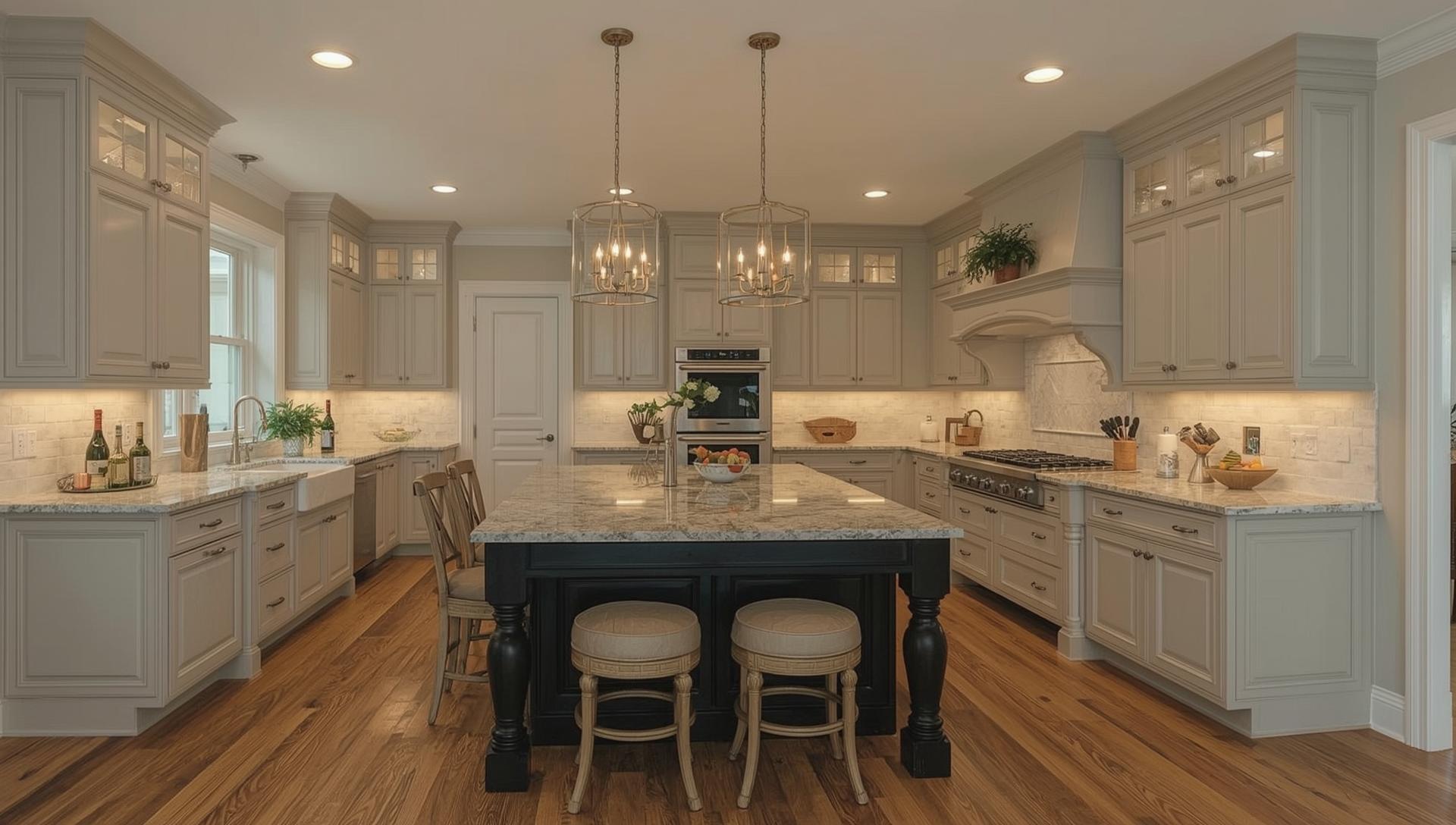
As a first-time Cape Cod stone buyer, choosing the right stone countertop for your kitchen reno or bathroom vanity top starts with understanding your lifestyle, local climate, and budget. In Cape Cod's humid coastal environment, top options include granite, quartz, marble, and quartzite, each offering unique benefits for first granite countertop or quartz installation beginners.[1][2] Granite shines with its natural beauty, heat resistance, and scratch-proof durability—perfect for busy Cape Cod kitchens where you host summer clambakes or family dinners. Imagine a unique slab with earthy veins complementing shaker-style cabinets in a Hyannis cottage home.[1][7] Quartz, an engineered stone, is non-porous, low-maintenance, and stain-resistant, ideal for humid areas without needing sealing—great for kitchen reno costs Massachusetts around $60-100 per square foot installed.[1][2] For bathroom vanity tops, marble adds timeless elegance with its veining, though it requires regular sealing to combat moisture.[2][5] Quartzite blends marble's look with granite's toughness, resisting UV fading for sunny kitchens or even outdoor living spaces.[1][3]
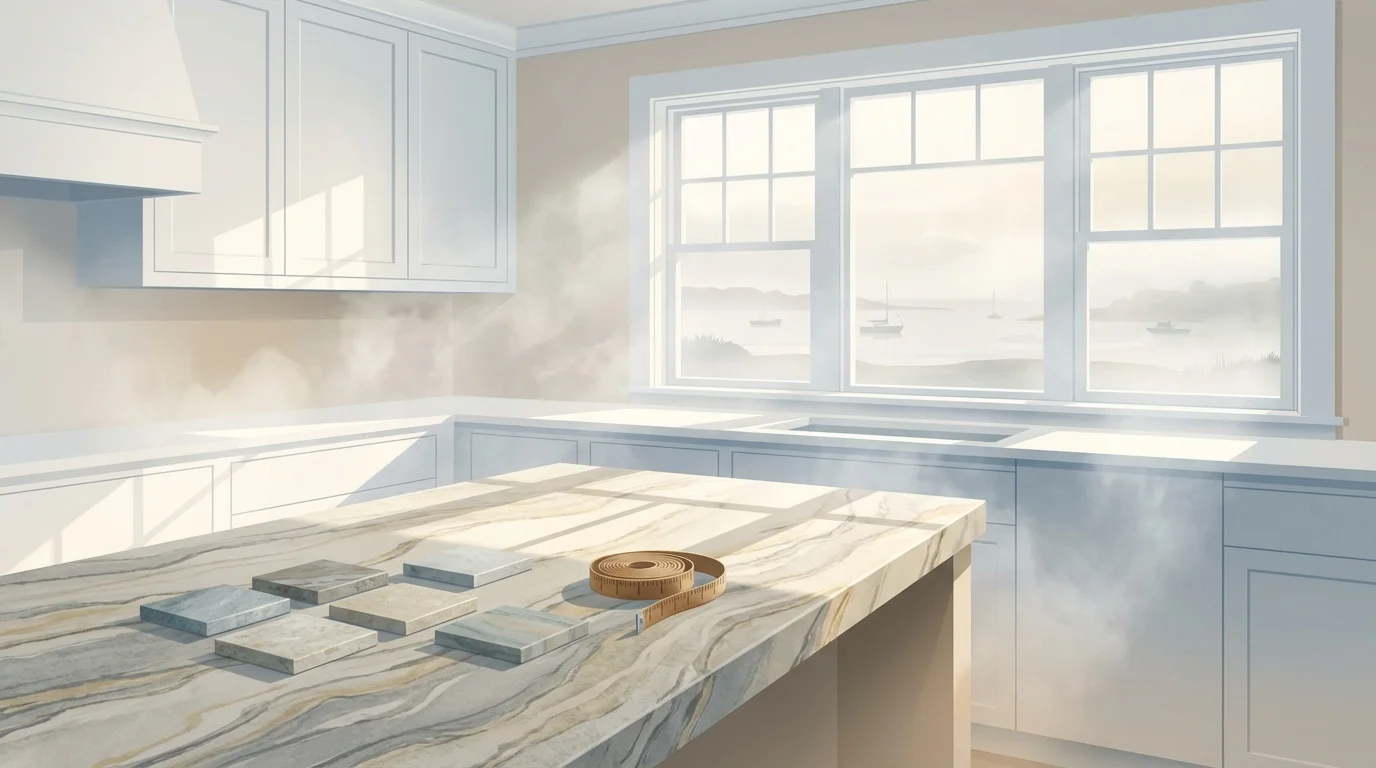
Practical tip: Measure your surface area first—length times width in inches, divided by 144 for square footage—to estimate kitchen reno costs Massachusetts. A standard 40 sq ft kitchen might run $3,000-6,000 for granite or quartz.[4] Visit local showrooms like those in Carver or Orleans, bringing cabinet photos and paint swatches for cohesive matches.[3][4] Consider Cape Cod's salt air: Opt for low-porous quartz or quartzite to minimize maintenance.[1] Real example: A Falmouth family chose quartzite for their high-traffic island, pairing it with white beadboard for cottage charm, boosting resale value.[2][7] Balance budget—marble tops at $80-150/sq ft—against longevity; natural stones like granite are smart investments here.[1][2]
Matching Stone to Your Space and Lifestyle
Tailor your pick to usage: Granite or quartz for heavy-cooking kitchens; marble for spa-like bathrooms.[2] High-traffic? Quartzite endures without etching.[1] Test samples under your lighting—Cape Cod's natural light reveals true hues.[4] Pros handle templating for flawless quartz installation beginners.[6]
Budgeting for Cape Cod Installs
Factor kitchen reno costs Massachusetts: Materials 50-70% of total, plus fab/install $30-50/sq ft. Shop local for slabs suiting coastal styles—expect 10-20% premium for premium veins.[1][5] Get quotes from experts to avoid surprises.[3]
Budget Breakdown for Beginners
First-time Cape Cod stone buyers often feel overwhelmed by kitchen reno costs Massachusetts, but understanding a clear budget breakdown makes your first granite countertop or quartz installation beginners project achievable. In Cape Cod, expect total costs for a standard 25-square-foot kitchen countertop to range from $1,800 to $4,500, including materials and labor, based on 2025 data for Massachusetts and nearby New Hampshire.[1] This covers popular options like granite at around $102–$115 per square foot installed or quartz at $86–$111 per square foot.[2] For a real Cape Cod example, a Hyannis homeowner renovating a cozy coastal kitchen with level 1 granite countertop (Uba Tuba style) paid $3,200 total—$2,500 materials plus $700 install—for 28 sq ft, saving by choosing a local fabricator offering promos at $29.99 per sq ft minimum orders.[4][7]
Break your budget into key categories: materials (40-60% of total), labor/installation (30-50%), and extras (10-20%). Natural stone like granite or marble drives higher ends at $100–$150+ per sq ft due to slab quality and Cape Cod's transport from quarries, while quartz offers consistent pricing and low maintenance for bathroom vanity tops.[1][2] Practical tip: Measure precisely—small kitchens (20-30 sq ft) average $1,800–$4,500; measure overhangs and islands to avoid waste.[1] Factor in edge treatments (add $3–$10/ft) and sink cutouts ($200–$500). Local Cape Cod deals, like quartz starting at $45.99/sq ft with free edges, can slash costs for kitchen reno projects.[6]
Hidden fees? Demolition ($300–$800) and sealing ($1–$2/sq ft annually for granite). Shop fabricators in Carver or Plymouth for Cape Cod stone buyer guide savings—compare three quotes to stay under budget.[8] Pro tip: Bundle bathroom vanity tops with kitchen for discounts, as seen in a Dennis Port reno where combined quartz installation totaled $2,800 vs. $4,000 separate.[2]
Material Costs Demystified
Granite reigns for Cape Cod's beachy vibes, costing $40–$200/sq ft slab price, but installed Level 1 hits $108.67/sq ft in MA.[2][3] Quartz for beginners: $98.60/sq ft average, non-porous for humid coastal baths.[2] Example: 15 sq ft bathroom vanity top in quartz? Budget $1,500 installed. Skip exotics to save 30%.[1]
Labor and Installation Essentials
Labor runs $10–$50/sq ft, up to half your total—$30/ft average for slabs in MA.[5] Cape Cod pros charge more for island access; get free estimates. Tip: Schedule off-season (winter) for 10-15% off.[1][6] Total for 40 sq ft large kitchen: $6,000–$9,000.[1]
Cape Cod Installation Timeline

For first-time stone countertop buyers in Cape Cod, understanding the Cape Cod stone buyer guide timeline is key to smooth kitchen reno costs Massachusetts planning. Expect a total process of 10-15 business days from templating to installation for first granite countertop or quartz installation beginners, though local factors like seasonal weather and coastal home layouts can influence this[1][2][3]. In Cape Cod's humid climate, precise scheduling prevents delays from moisture-sensitive granite or quartz slabs. For example, a typical Hyannis kitchen reno might start with templating on a Monday, followed by 7-10 days of fabrication, and wrap with a full-day install, keeping your bathroom vanity tops project under three weeks[1][3]. Practical tip: Schedule during off-peak spring or fall to avoid summer crowds at local fabricators like Cape Cod Marble & Granite, reducing wait times[4]. Kitchen reno costs Massachusetts can rise 10-20% with delays, so confirm cabinet readiness early—uneven coastal foundations often need shimming, adding 1-2 hours onsite[1][2]. Real Cape Cod example: A Falmouth homeowner replaced laminate with quartz installation beginners-friendly Uba Tuba granite; templating took 2 hours, fabrication 8 days, and install 6 hours total, with old counters removed same-day for minimal disruption[7]. Always clear appliances and plumbing beforehand to keep Cape Cod stone buyer guide timelines tight[1].
Step-by-Step Breakdown
Step 1: Templating (1-2 hours) – Technicians visit your Cape Cod home for digital templates, essential for bathroom vanity tops around vessel sinks or first granite countertop islands. Tip: Have plumbing roughed-in; Cape homes' sloped floors demand extra precision[1][2].
Step 2: Fabrication (5-10 business days) – Slabs are cut and edged at local shops. Cape Cod Quartz guarantees delivery post-templating in 5 days minimum, faster for simple quartz vs. dense granite[3]. Delays spike in winter due to ferry slab shipments[2].
Step 3: Installation Day (4-8 hours) – Crews haul slabs (cranes for upstairs Osterville baths), level, seam, and secure. Complex kitchen reno with waterfall edges may spill to day two; seal seams same-day for use in 24-48 hours[1][6][8].
Factors Affecting Your Timeline
Local variables like project size (small Wellfleet vanity: 2 weeks total; big Provincetown kitchen: 4 weeks) or custom details extend times. Pro tip: Book American Stone-style pros for 1-day installs post-template[6]. Prep saves kitchen reno costs Massachusetts—disconnect fixtures night before[1].
Long-Term Care Essentials: Protecting Your Stone Investment
When you invest in natural stone countertops for your Cape Cod kitchen or bathroom, understanding long-term maintenance is crucial to protecting that investment. Unlike engineered surfaces, natural stone requires consistent care to maintain its beauty and functionality for decades. The good news? With proper habits established from day one, maintaining your countertops becomes second nature.
The foundation of long-term stone care begins with understanding your specific material. Marble and limestone are more porous and acid-sensitive than granite, requiring more frequent sealing and careful attention to acidic spills[1]. In the Cape Cod area, professionals recommend sealing lighter granite colors and marble every six months, while darker granite can be sealed annually[6]. Quartz countertops, popular among Massachusetts homeowners for their low maintenance, typically don't require sealing at all[2].
Daily cleaning habits form the backbone of effective maintenance. Use pH-neutral cleaners or warm water with mild dish soap—never acidic cleaners like vinegar or lemon juice, which etch marble and limestone[1][2]. Wipe spills immediately, especially wine, citrus, or cooking oils, and always use coasters under glasses and trivets under hot dishes[2]. These simple preventative measures prevent most damage before it starts.
Beyond daily care, establish a routine for deeper maintenance. Professional deep cleaning annually removes embedded dirt that household methods miss, while professional polishing every 2-3 years restores shine and addresses minor etching[1]. Budget these services into your home care expenses—they're far less costly than replacing countertops.
Sealing: Your Stone's Best Defense
Sealing is non-negotiable for natural stone countertops. Before sealing, clean the surface thoroughly and allow it to dry completely[2]. Apply a silicone impregnator using a white cotton cloth, let it penetrate per manufacturer instructions, then buff away excess sealer[2]. While no sealer makes stone completely stain-proof, it significantly increases stain resistance[4].
Addressing Common Issues Early
Monitor high-use areas like kitchen prep zones for increased wear[1]. Document maintenance activities and take photos to track changes over time, catching developing issues before they become expensive problems[1]. Educate all household members about proper care—consistent practices from everyone prevent accidental damage and maintain optimal appearance[1].
Conclusion
Selecting the right stone countertop for your Cape Cod home is an investment in both beauty and functionality[1][2]. Whether you choose granite for its durability and timeless appeal, quartz for its low-maintenance coastal performance, marble for elegant bathrooms, or quartzite for high-traffic kitchens, each material offers distinct advantages[1]. The key is matching your lifestyle, budget, and design aesthetic to the right surface[1][2].
Cape Cod's humid coastal climate makes non-porous or low-porous materials like quartz and quartzite particularly practical choices[1]. However, granite remains the most popular option among local homeowners and designers, with 25+ years of proven performance in the region[7].
Next steps: Visit local showrooms to see materials in person, consult with experienced Cape Cod fabricators and installers, and request detailed quotes that include templating and installation[2]. Quality installation is crucial for maximizing your investment's longevity and appeal[2]. Contact local specialists like American Stone, Timeless Stoneworks, or Cape Cod Marble & Granite to discuss your unique space and get expert guidance tailored to your home's needs.
Frequently Asked Questions
Which stone countertop is best for Cape Cod's humid coastal climate?
Quartz and quartzite are ideal for coastal humidity since they're non-porous or low-porous and resist moisture and bacteria without requiring sealing[1]. Both handle Cape Cod's salt air and humidity exceptionally well. Granite and marble require more maintenance in these conditions but remain popular choices when properly sealed and maintained[1].
How much do stone countertops cost in Cape Cod?
Pricing varies by material and complexity. Granite ranges from $10–$75 per square foot depending on color and veining[3]. Natural stones generally cost $45–$70 per square foot, while manufactured stones run $60+ per square foot[8]. Marble is typically the most expensive, while granite and quartz offer balanced cost-to-performance ratios[1].
Do I need to seal my stone countertops?
It depends on the material. Quartz doesn't require sealing and resists stains naturally[1]. Soapstone is acid and alkali-resistant and needs no sealant[4]. Granite and marble benefit from periodic sealing to maintain stain resistance and protect against etching[1][2]. Your installer will recommend a sealing schedule based on your specific stone.
What's the difference between granite and quartzite?
Granite is a natural stone prized for unique patterns and heat resistance, ideal for busy kitchens[1][2]. Quartzite combines marble's elegant appearance with granite's superior durability and UV resistance, making it perfect for sunny kitchens and outdoor areas[1]. Quartzite costs slightly more but offers luxury with better performance[1].
How long do stone countertops last?
Quality stone countertops are built for longevity and can last decades with proper care[2]. Natural stone like granite, marble, and quartzite maintain beauty through daily use—from summer entertaining to year-round family life[2]. Proper installation and maintenance extend their lifespan significantly[2].
References
- Source from cabinetscity.com
- Source from masterscountertops.com
- Source from savullc.com
- Source from www.homewyse.com
- Source from graniteguyinc.com
- Source from mass.affordablegranite.co
- Source from www.blockrenovation.com
- Source from www.homedepot.com
- Source from rhodeisland.granite-countertops.us
- Source from americanstonecape.com